Metals refining
Dec 11, 2025

Inside the Furnace: How next-generation cameras are transforming smelting operations

For decades, the inside of a smelting furnace was a world hidden from view, an environment too harsh for human observation and too dynamic for static sensors to capture in real time. Today, that mystery is unraveling thanks to next-generation furnace camera technology, which is transforming how we monitor, maintain and optimize high-temperature processes.
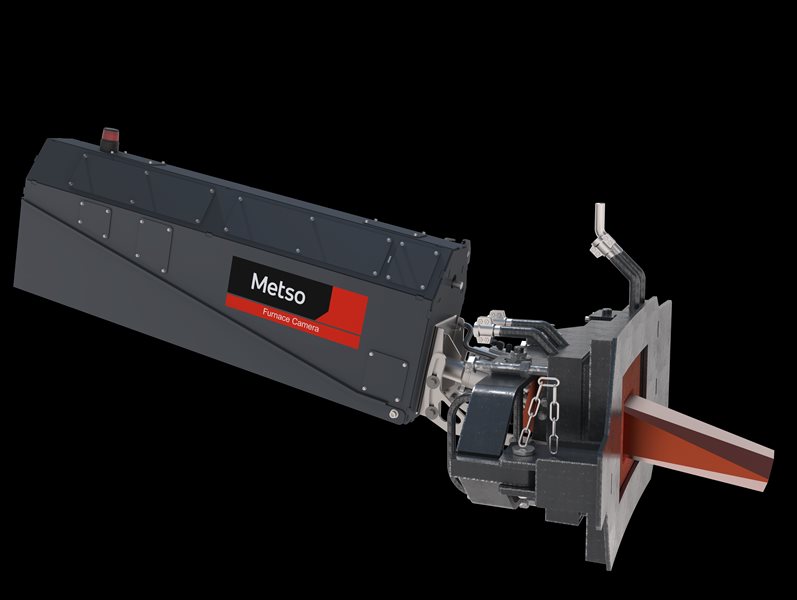
furnace camera
Furnace camera with inspection hatch

Smelting is the backbone of metal production, but it comes with challenges such as extreme heat, abrasive dust and unpredictable conditions. Traditionally, operators relied on indirect measurements and periodic manual inspections, methods that often-meant downtime, safety risks and limited visibility.

The latest furnace cameras change the game by offering continuous, real-time imaging inside the furnace without compromising safety or production. 

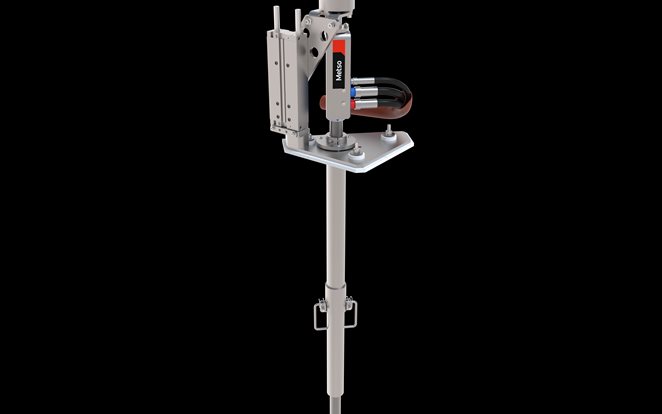
Recent innovations have made furnace cameras more robust and intelligent than ever before. Advanced cooling systems now protect optics from temperatures exceeding 2200 degrees Celsius, extending equipment life and reducing maintenance needs. Automated retraction mechanisms also ensure cameras withdraw safely during power or cooling failures, adding an extra layer of security. Integration with plant automation systems allows operators to view live feeds and thermal data directly in control systems, while AI-driven analytics are emerging to enable predictive maintenance and anomaly detection based on image patterns.
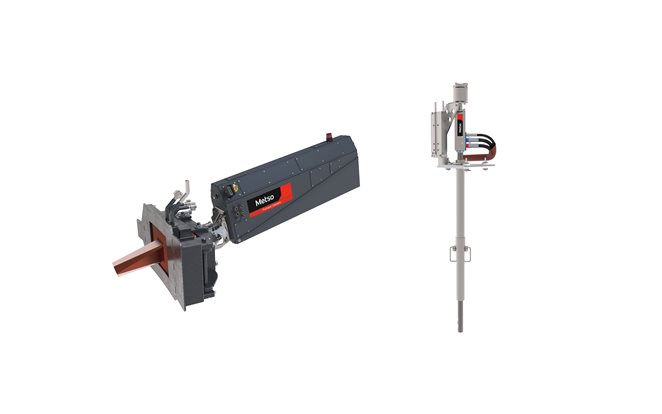
These improvements mean cameras are no longer just passive observers; they have become active contributors to process optimization. 
{{zoomedImageIndex + 1}}/3
{{ captions[zoomedImageIndex] }}

While electric arc furnaces remain the primary use case, the technology is expanding into new applications like WHB monitoring, converters and many others. Steel and ferroalloy smelting operations use cameras to detect electrode breaks and refractory wear early, reducing costly downtime. Process optimization projects increasingly rely on thermal imaging to support AI models for predictive maintenance and energy savings. This versatility opens doors for industries seeking both operational excellence and sustainability. 

The benefits go beyond technical novelty and deliver tangible value to customers. Continuous monitoring reduces manual inspections and personnel exposure to hazardous conditions, improving safety across the board. Real-time imaging minimizes unplanned shutdowns and accelerates troubleshooting, leading to higher availability and productivity. Lower nitrogen consumption, fewer maintenance interventions and optimized energy use contribute to cost efficiency, while better process insight empowers smarter decisions that improve yield and quality. In short, furnace cameras are not just tools; they are enablers of safer, smarter and more sustainable operations. 

Looking ahead, the possibilities are even more exciting. AI-enhanced diagnostics automates anomaly detection, and cloud connectivity will make receiving the latest updates smooth and effortless. These developments align perfectly with sustainability goals, as better control reduces energy waste and emissions.

For anyone curious about this technology, Metso is happy to share that test units are available for trial. Experiencing technology firsthand is the best way to appreciate what it can do - and why it’s worth getting excited about. 


This article is part of our Smelting Newsletter 2025. Visit the issue front page for all articles and greetings from Jyrki Makkonen - VP, Smelting.

Enjoyed this article? Try this next
Metso delivers new Ausmelt Furnace cooling elements to Dowa’s Kosaka Plant in Japan
Metso has supplied a set of water‑cooled furnace elements to Dowa’s Kosaka Plant in Japan - robust, long-lasting smelting solutions.
Read more
Metals refining