
Aggregates
Aug 21, 2025

Training SOS: Saving aggregates plants from performance pitfalls

Rafael A Rodrigues
Rafael A Rodrigues
Assistant Manager, Global Training Delivery – Metso Academy
Metso Academy assistant manager for global training delivery Rafael A Rodrigues discusses how aggregates plants can avoid pitfalls in performance.
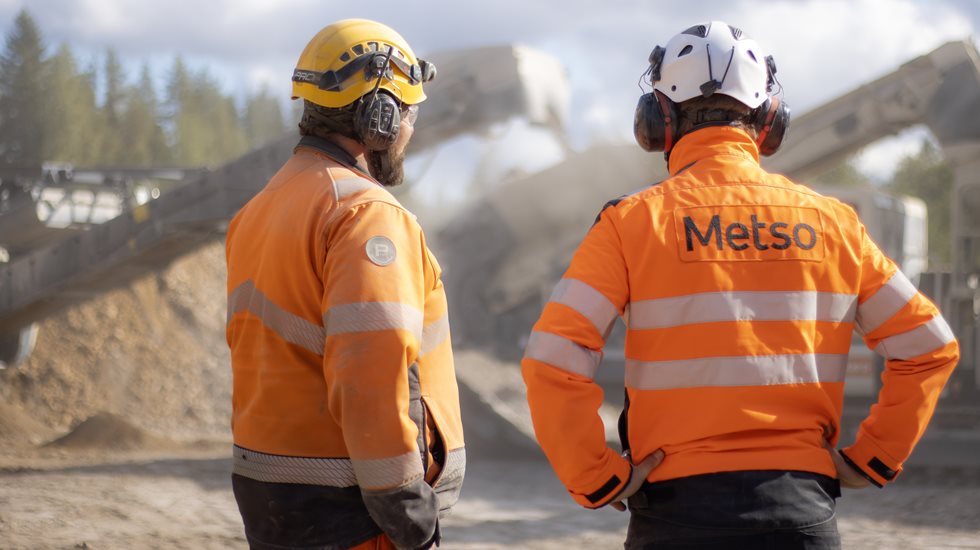
Metso technical trainers team supporting quarry and aggregates operations.

Originally published in Aggregates Business magazine online in July 2025

A knowledge gap has been developing in the aggregates industry as experienced and skilled personnel leave the field due to retirement, a reluctance to live at remote sites or normal attrition.

New operators may no longer have easy access to experienced mentors. They can end up relying on default or even outdated practices, unaware that these small inefficiencies are compounding across the entire system, from feeders to screens to crushers.

Common issues like unbalanced plants, underused automation, and inaccurate interpretation of equipment data can lead to lower throughput, unnecessary component wear, increased energy consumption, and unplanned downtime.

Without regular structured training, even modern plants often fall short of their potential. Empowering teams with technical knowledge and operational insight is no longer optional; it is essential for maximizing uptime, reducing waste, and meeting growing demands for sustainable performance. Below are a few common maintenance gaps and operational pitfalls often identified by Metso technical trainers that lead to issues but can be addressed with proper training.
Metso machine
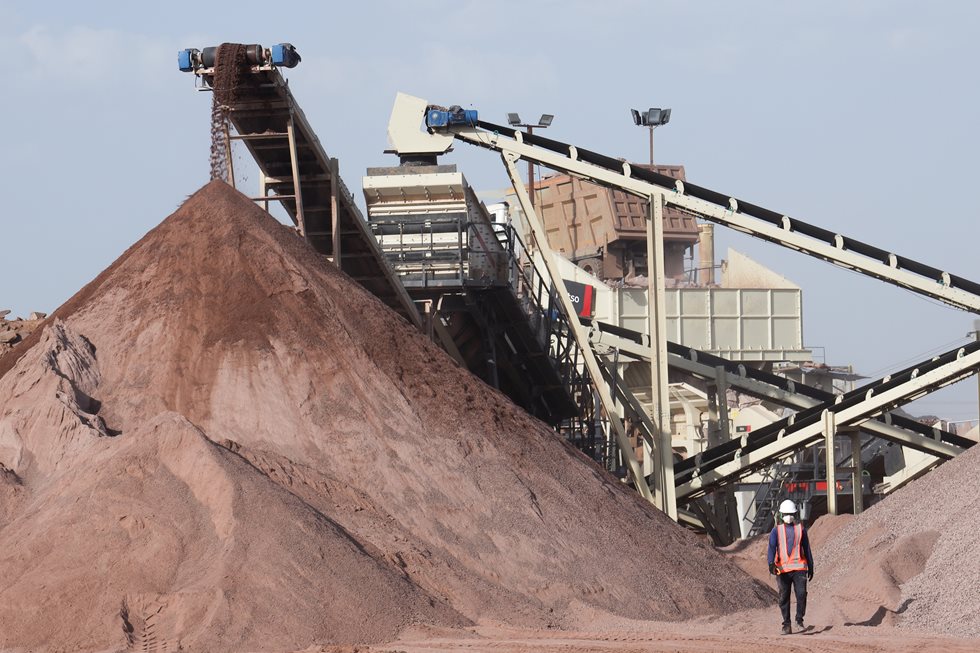
Common maintenance gaps can include unbalanced plants, underused automation, and inaccurate interpretation of equipment data.

Common maintenance gaps (before receiving training)

  • Underutilization of installed automation systems: many customers operate equipment manually despite having sensors or SCADA (supervisory control and data acquisition) systems missing out on diagnostics, alarms, and efficient control.

  • Lack of interpretation of failure and event reports: recurring alarms become “normal,” causing apathy and leading to real problems being overlooked.

  • Symptom-based troubleshooting without root cause analysis: limited system understanding can lead to misdiagnosis and recurring issues.

  • Misunderstanding of operational force and power limits: crushers often run with settings that “seem fine” but cause overloads, accelerated wear, and protective shutdowns.

  • Improper installation or poor maintenance of critical sensors: such as level indicators, vibration/temperature sensors, or load cells — leading to inaccurate data.

  • Use of generic or unsuitable wear parts: these are often not optimized for the type of rock, required reduction ratio, or typical wear patterns in the application, leading to excessive wear and waste.

Operational practices that improve post-training

  • Plant balancing (adjusting settings and speeds): training helps identify real bottlenecks (e.g., screens limiting throughput), allowing crushers and conveyors to run within optimal force, volume, and installed power limits.

  • Reading and acting on real-time dashboards: operators begin using key indicators like load rate, specific energy consumption, and hydraulic pressure for smarter, faster decision-making.

  • Matching screen decks to product requirements: teams avoid running mismatched media, increasing efficiency and eliminating unnecessary recirculation.

  • Wear part optimization based on actual wear profiles: training teaches how to analyze wear patterns to maximize usable parts life and reduce cost per ton

  • Identifying and eliminating plant bottlenecks: proper training can prepare teams to assess flow rates, conveyor speeds, and equipment loads to optimize throughput.

  • Condition-based maintenance practices: using sensor data and more technical visual inspections to increase physical availability and reduce reactive maintenance.

  • Training on safety procedures and lockout-tagout: reduces health, safety and environmental (HSE) incidents and downtime caused by unsafe practices.

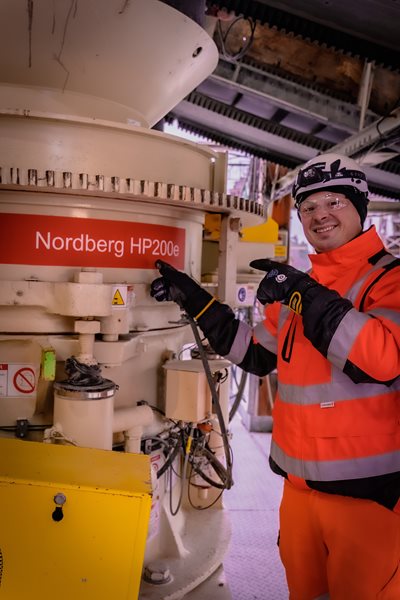
Metso expert with Nordberg
The Metso Academy training programs can support operators.

Final thoughts

As experienced personnel leave the aggregates industry, there are no quick fixes to fill the knowledge gap. However, the use of modern training tools, resources, and methods has the potential to help sites realize substantial performance improvements without the investments associated with major modernization efforts or the purchase of new machines.

In addition, the financial gains from training can help to reduce operating costs by improving wear life and minimizing downtime. Explore how Metso Academy training programs can bring an edge to your site teams and help to get the most out of your producing assets.

Aggregates
Explore Metso Academy
Metso Academy provides training that helps bridge the knowledge gap between your personnel, equipment and operational goals. We offer comprehensive and tailored training programs designed to improve your team’s technical knowledge and improve the safety, reliability and performance of your operation.