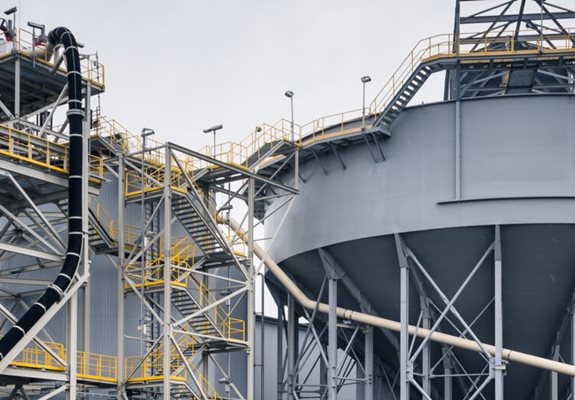
Reclaim process water and store your tailings in an efficient way. The technology of the Metso Thickened Tailings and Paste Plant is a novel way to handle and store tailings from various processes like mine concentrators and other processes that produce tailings.
Benefits
As a result, the plant reduces the footprint and environmental risks of your tailings storage facility. It also enables the efficient recovery of process water and saves energy by reducing slurry and water pumping.
- Handles tailings more efficiently with a smaller footprint
- Efficient handling of fine tailings
- Minimizes environmental risks
- Results in less seepage from the tailings area and minimal segregation
- Saves energy with reduced slurry and water pumping
- Simplifies mine closure for many applications
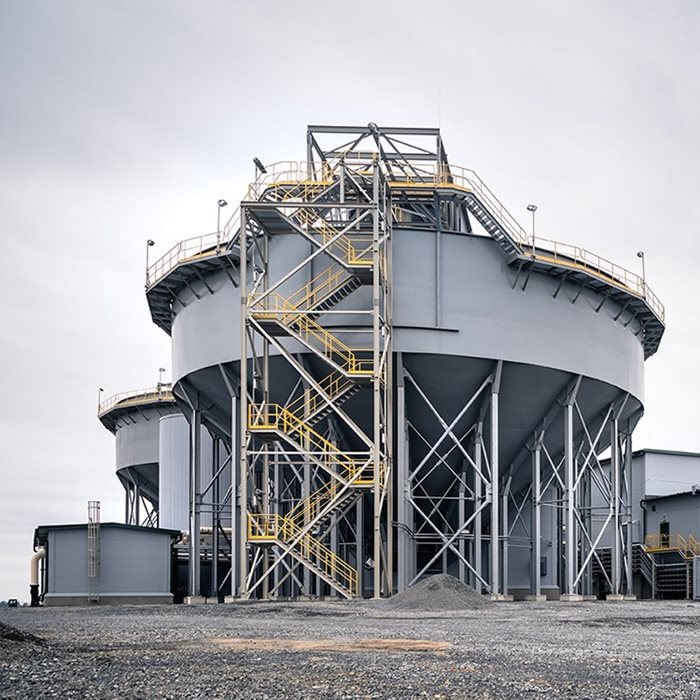
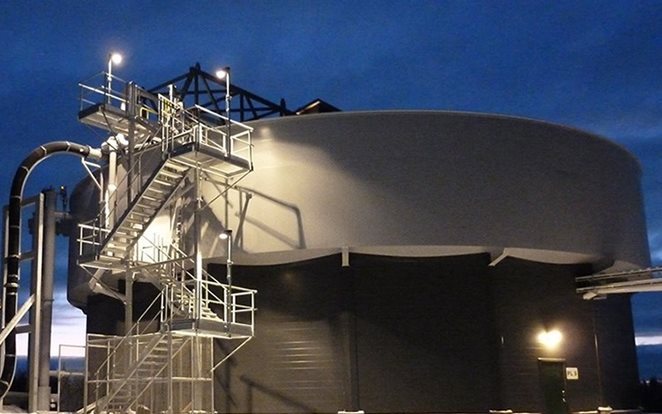
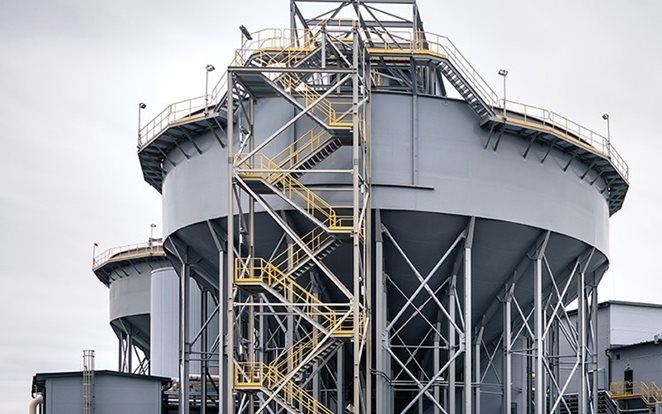
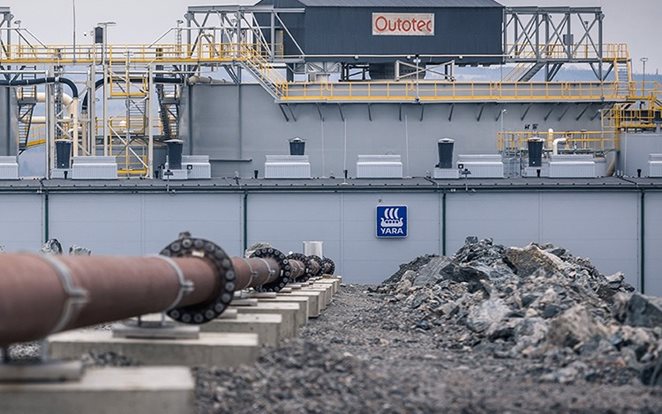
Check the video
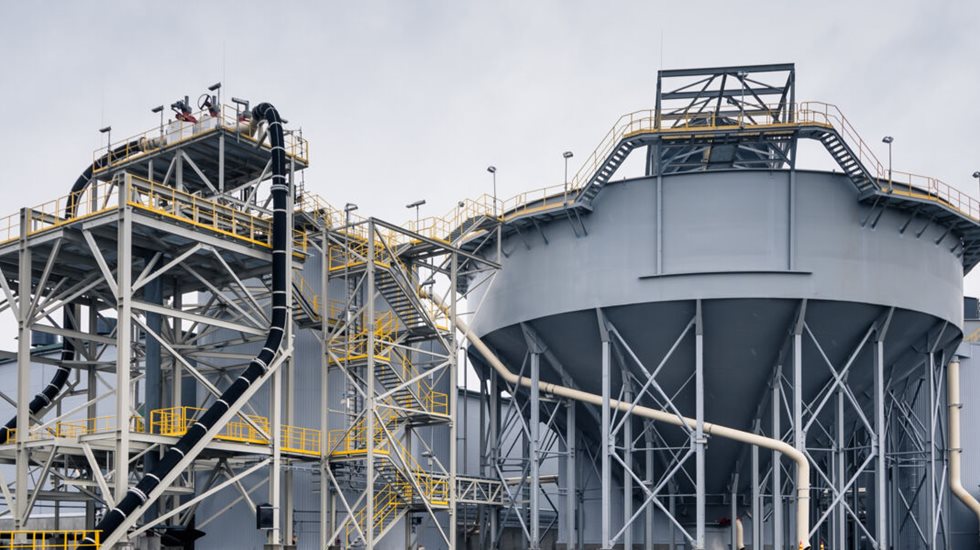
Watch a video about Yara's Paste Plant
Services


Your information is safe. Check our privacy notice for more details.
Thank you!
We will shortly contact you. You can send a new inquiry again after 15 minutes.