- Results in high-quality treated water for recycling
- Integrates well with other processes and plants
- Expands easily for future treatment needs
- Comes with process guarantees and tailoring via client water testing
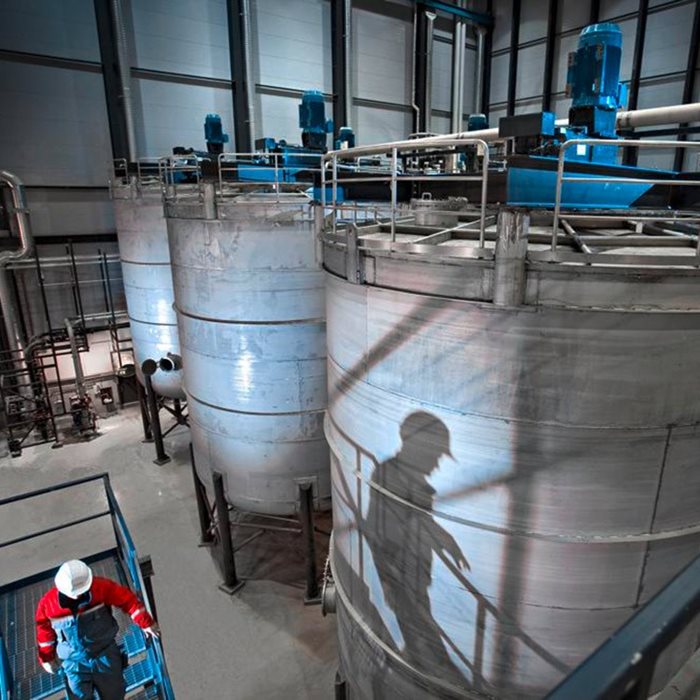
Supporting your operations, from plant design expertise to equipment, parts and services for every stage of your process.
Are you looking to increase production, reduce risks, lower operating costs and enhance environmental performance? Then you are in the right place.
From the design and supply of products for a greenfield plant, to the addition of a single machine for an existing production line, we are here to help.
Rely on OEM experts because not all parts are created equal. Spare and wear parts built to perform.
Helping you get the most out of your equipment and processes.
Supporting your operations, from plant design expertise to equipment, parts and services for every stage of your process.
Are you looking to increase production, reduce risks, lower operating costs and enhance environmental performance? Then you are in the right place.
From the design and supply of products for a greenfield plant, to the addition of a single machine for an existing production line, we are here to help.
Rely on OEM experts because not all parts are created equal. Spare and wear parts built to perform.
Helping you get the most out of your equipment and processes.
Our flexible sulfate removal process consists of a sulfate precipitation stage at pH 11–13 using lime milk and aluminum, followed by a final neutralization stage using carbon dioxide. Gypsum precipitation can be included before the sulfate removal stage when required.
The process, built on easy-to-understand chemistry, can be applied to sulfate removal from gypsum saturated waters. Importantly, sulfate can be precipitated even when it is associated with highly soluble sodium and potassium sulfates. The sulfate concentration after treatment is typically 200–1000 mg/L. A level below 200 mg/L can be achieved with enhanced precipitation chemistry.
In addition to sulfate removal, the process includes advanced removal of metal impurities such as Ni, Cd, Cu, and Zn as metal hydroxides. The final product includes treated water with a low sulfate concentration for discharge or re-use, and stable, solid precipitate with a high buffer capacity.